Brown tissue on a prayer plant is a signal, not a disease. The pattern — edges, tips, or spots — points to one of several causes. Read the pattern right and the problem stops. Read it wrong and the brown spreads while the real issue stays hidden.
The prayer plant’s broad, thin leaves react fast. Within 7 to 10 days of a humidity drop, the edges curl. Within 3 to 4 weeks of overwatering, the tips brown. When the damage is caught early enough, the plant recovers. When it goes unread, the brown reaches the crown and the plant declines from there.
This guide walks through the three brown patterns, what each one means, and what to do about it. The triage checklist at the end gives the exact order to work through when you first see brown on the prayer plant.
Brown Edges vs Brown Tips vs Spots: The Diagnostic Key
Three questions narrow the cause fast. Where on the leaf is the brown: the margin, the tip, or scattered spots?
How fast did it appear: overnight, over a few days, or gradually over weeks? What is the texture: dry and crispy, soft and mushy, or flat and papery?
Brown edges that spread gradually point to humidity, salt buildup, or tap water. Brown tips that appear within days point to watering inconsistency or draft stress. Discrete brown spots that enlarge slowly point to sun scorch, cold water, or fungal leaf spot.
The prayer plant’s thin leaves show all three patterns at different times. The reader who learns the three diagnostic questions stops guessing and starts fixing.
For the full baseline prayer plant care routine that prevents all three patterns, the cluster prayer plant care guide is the pair. A healthy prayer plant shows fewer brown signals on a consistent schedule.
Pattern 1: Brown Leaf Edges: Low Humidity, Salt Buildup, or Tap Water
Brown leaf edges are the most common prayer plant complaint. The tissue at the margin dries out and turns crispy, usually starting on the oldest outer leaves and working inward. In most homes, the primary cause is low humidity.
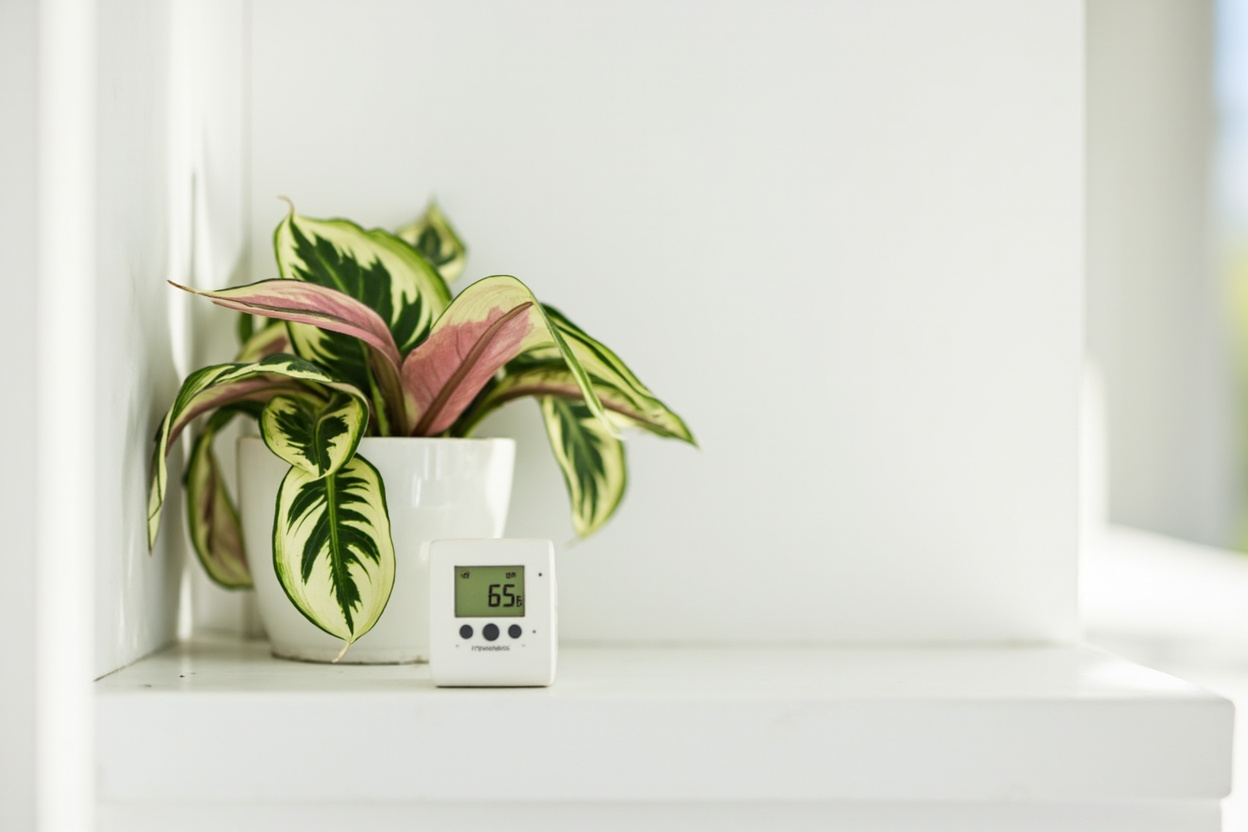
The prayer plant prefers 60% RH. Below 40% RH, the leaf margins desiccate. The brown edge is the visible border where the living tissue ends and dead tissue begins. No amount of water at the roots fixes brown edges caused by dry air.
Salt buildup from fertilizer is the second most common cause. If the brown edges appear a few weeks after feeding starts, or if the reader has been fertilizing without flushing the soil, salts accumulate at the leaf margins and burn the tissue. Flush the soil with plain room-temperature water and reduce fertilizer to half-strength.
Tap water with fluoride or chlorine causes a variant of brown edges called chemical burn. The brown appears in a clean line 1 to 2 mm from the leaf margin, usually on new growth first. The fix is simple: switch to distilled or rainwater and the burn stops on new leaves within 2 to 3 weeks.
For the full humidity solution set that fixes brown edges without repotting, the cluster prayer plant humidity covers the three working methods.
Pattern 2: Brown Tips: Underwatering, Overwatering, or Draft Stress
Brown leaf tips are the prayer plant’s fastest visible distress signal. They appear within 48 to 72 hours of the trigger and the cause is almost always in the root zone.
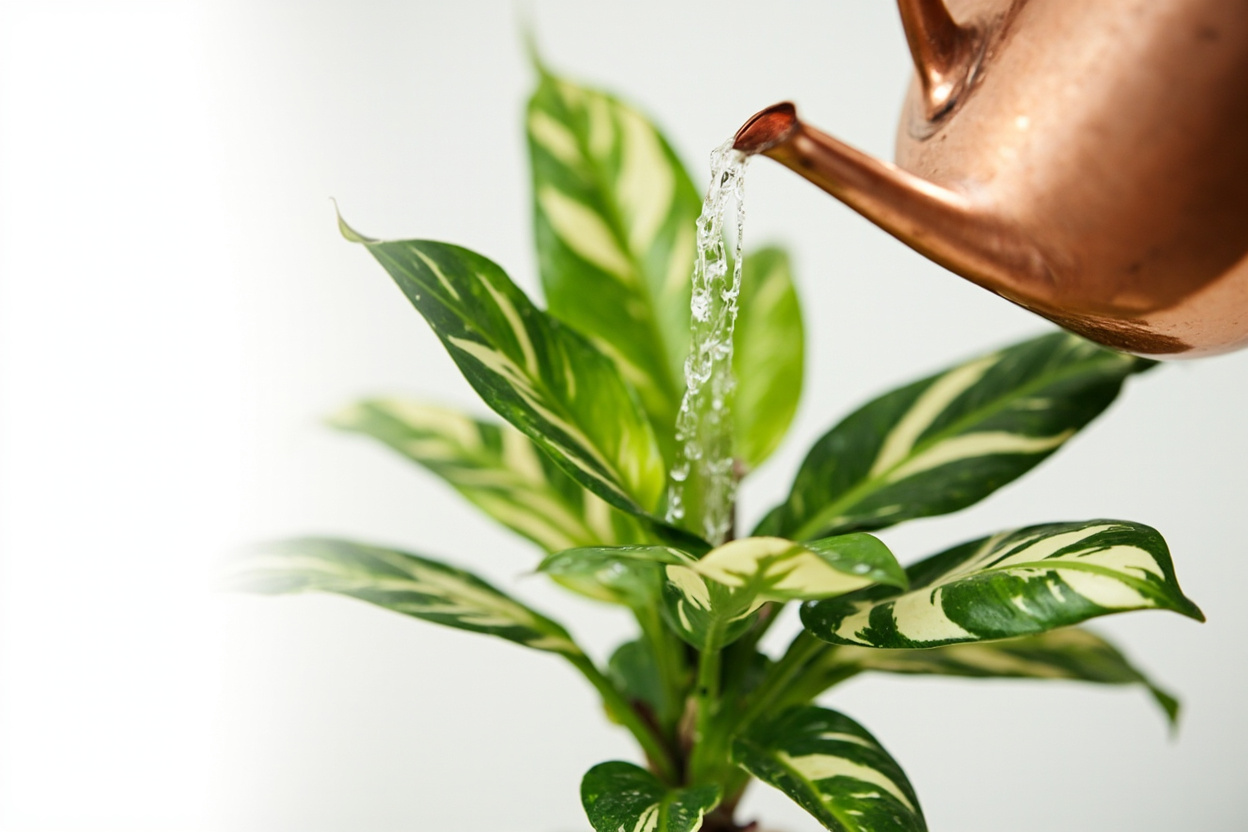
Underwatering produces brown tips that start at the apex and spread backward along the leaf toward the base. The soil is bone-dry or the reader watered too lightly and the water ran down the sides of the pot without reaching the root ball. The fix: water slowly until it runs out the drainage hole, then wait 5 minutes and water again.
Overwatering produces a different brown-tip pattern: the tip goes soft before it goes brown. The tissue feels mushy, not crispy. The soil stays wet for more than 10 days between waterings.
Brown, slimy roots mean rot has started and the plant needs repotting with fresh soil. The honest limit: once the tips go soft-brown from overwatering, the damaged tissue never recovers.
Draft stress — cold air from an open window in winter or hot air from a heating vent — produces brown tips on the side of the plant facing the draft. The pattern is asymmetrical. The fix is to move the prayer plant away from the draft source. New growth comes in clean within 2 to 3 weeks.
For the full watering cadence that prevents both underwatering and overwatering brown-tip scenarios, the cluster prayer plant watering guide covers the fluoride-and-chlorine trap and the seasonal adjustment.
Pattern 3: Brown Spots: Sun Scorch, Cold Water, or Fungal Leaf Spot
Discrete brown spots on the leaf surface have three causes. The reader narrows it by the spot shape and the speed of appearance.
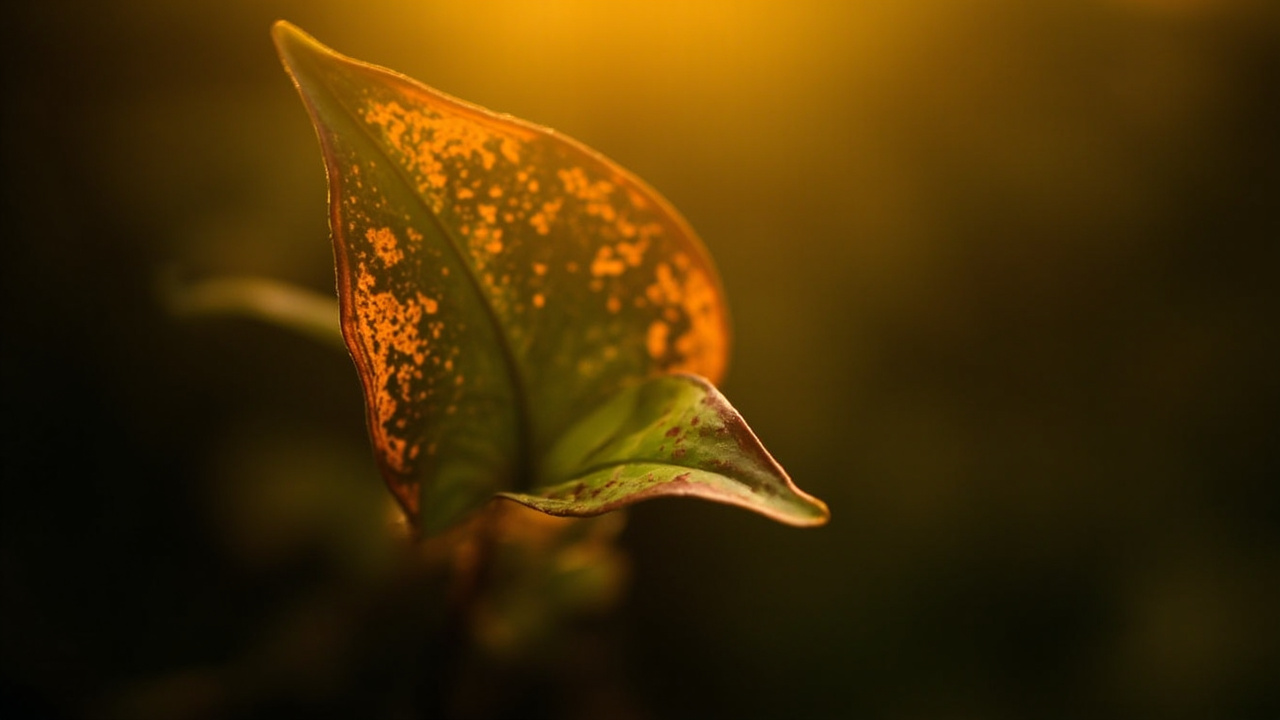
Sun scorch produces irregular brown patches, usually on the upper surface of leaves closest to the window. The patches are dry and flat. The reader moved the prayer plant into direct sun without acclimating it.
Move the plant to bright indirect light within 24 hours and the spotting stops on new growth. Existing spots stay permanently — the reader cuts them off or leaves them.
Cold water spotting produces round or ring-shaped white-to-brown marks, often with a darker border. These appear within hours of watering with cold tap water. The spots do not spread to new growth once the reader switches to room-temperature water. The prayer plant’s leaves are temperature-sensitive in a way most houseplants are not.
Fungal leaf spot produces small brown or gray spots, sometimes with a yellow halo, that slowly enlarge and may merge. This is more common in humid, poorly ventilated conditions.
Remove affected leaves, improve air circulation, and stop misting. The honest limit: no fungal leaf spot reverses. The reader cuts infected tissue and prevents spread.
For the light placement that prevents sun scorch without sacrificing variegation, the cluster prayer plant light requirements covers the four real windows ranked for the prayer plant.
When Brown Means Root Rot: The Crown Check
When multiple leaves turn brown at the same time, especially if the brown starts at the base of the leaf where it meets the crown, the reader checks for root rot. The trigger is overwatering, poor drainage, or compacted soil.
A sour, musty smell means anaerobic bacteria have colonized the root zone. Check by removing the prayer plant from its pot and smelling the root ball.
Trim brown, mushy roots back to healthy white tissue with sterilized scissors. Each cut is clean — torn roots invite reinfection.
The reader repots in a 1:1 peat-and-perlite mix with drainage holes that actually drain. For the first 5 to 7 days after repotting, the soil stays moist but not wet. The prayer plant wilts during this window while the trimmed root system reestablishes.
The honest limit: if the crown itself is soft and mushy, the rot has reached the growing point. The plant will not recover. The reader saves healthy leaves as cuttings and starts over. The cluster propagating-prayer-plant covers the cutting-to-pot sequence.
Recovery Timeline: What to Expect After the Fix
The first thing the reader needs to know: brown tissue never turns green back. The reader is preventing new brown, not reversing old brown. The existing brown stays until the reader trims it off or the leaf naturally senesces.
For humidity-related brown edges, the reader waits 2 to 3 weeks after raising RH to 60%+ for the new growth to come in clean. The difference is visible — clean new leaves beside the brown-edged old leaves confirm the fix worked.
For watering-related brown tips, the reader waits 1 to 2 weeks after correcting the watering cadence. New growth comes in clean if the roots are healthy. If the tips keep browning on new leaves after 3 weeks, the reader checks for root rot.
The reader trims brown tips and brown edges with sterilized scissors, cutting the brown tissue off along the natural leaf contour. The cut is at a slight angle to match the leaf shape. A clean trim improves appearance but does not affect the plant’s health — it is cosmetic, not curative.
The final honest limit: a prayer plant with 30% or more brown leaf area is under systemic stress. The reader addresses the root cause first, then waits.
A plant with 50%+ brown area that is still pushing new growth will recover. A plant with 50%+ brown area that has stopped growing may not. Patience plus the right fix is the only path.
From Bank Statement to QuickBooks-Ready File
That manual cleanup you just read about? This tool skips it. Turn your PDF into QBO for QuickBooks without storing your data anywhere.
Start Converting