What indoor plants keep bugs away for good? These recomendation are for you.. 13 floras friends that keep insects and pests at bay!
Ask any plant enthusiast and they will tell you how much they adore their green babies.
And who can blame them?
Not only do houseplants make a beautiful decorative addition to our interiors, but they can also keep your home insect-free without using any harsh chemicals.
That’s right; there is a myriad of indoor plants that act as natural bug repellents.
Now imagine having a small botanical garden within your own four walls.
Sounds refreshing, doesn’t it?
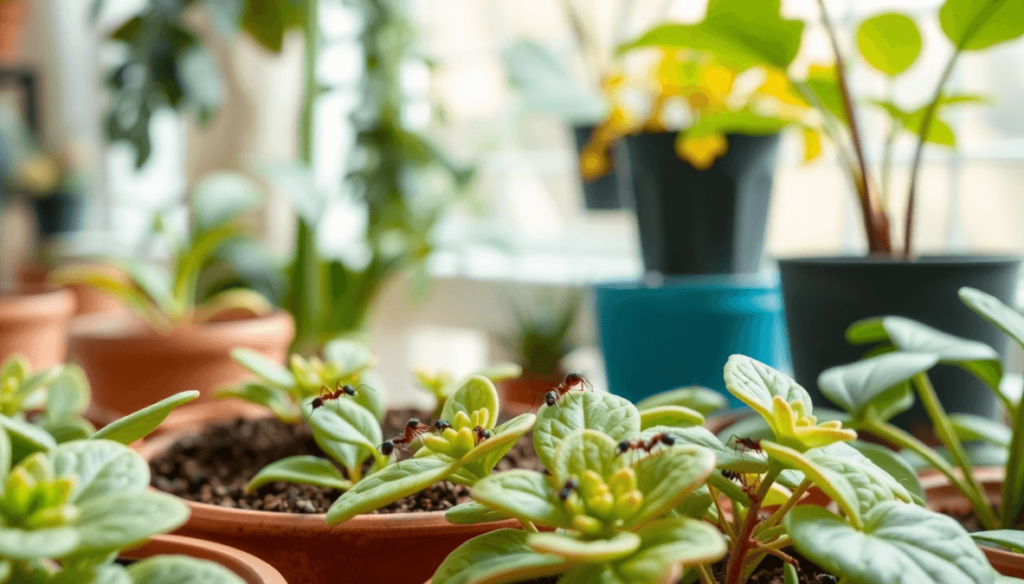
With a good mix of the following plant species, you can successfully keep ants out of your houseplants, deter mosquitoes, and discourage moths, spiders, and aphids from setting up shop.
Safeguard your greenery by implementing smart strategies to deter ants from invading your beloved plant haven.
Why Using House Plants As Natural Bugs Repellent?
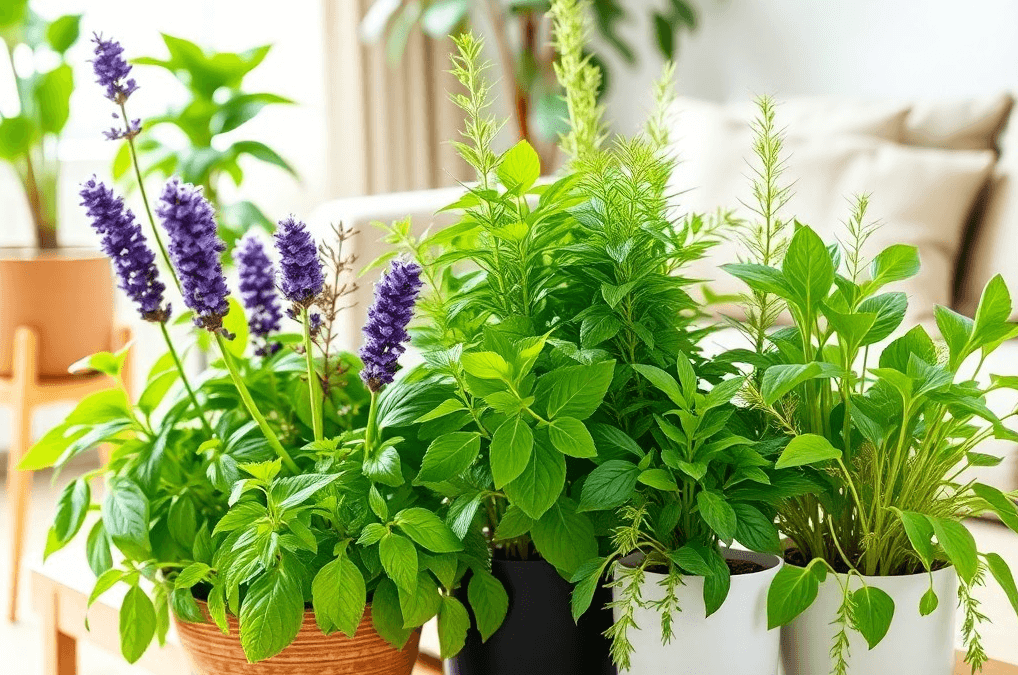
Integrating these plants into your home is a sustainable, chemical-free approach to pest control.
It costs little more than a plant pot and occasional watering, saving you from expensive repellents.
Beyond pest control, houseplants offer numerous benefits.
They enhance air quality, manage humidity, and even absorb electromagnetic radiation from electronic devices.
This can lead to improved sleep and concentration, boosting overall well-being.
Houseplants also add aesthetic value to your home. Their presence can transform your space into a vibrant, serene environment.
What Indoor Plants Keep Bugs Away
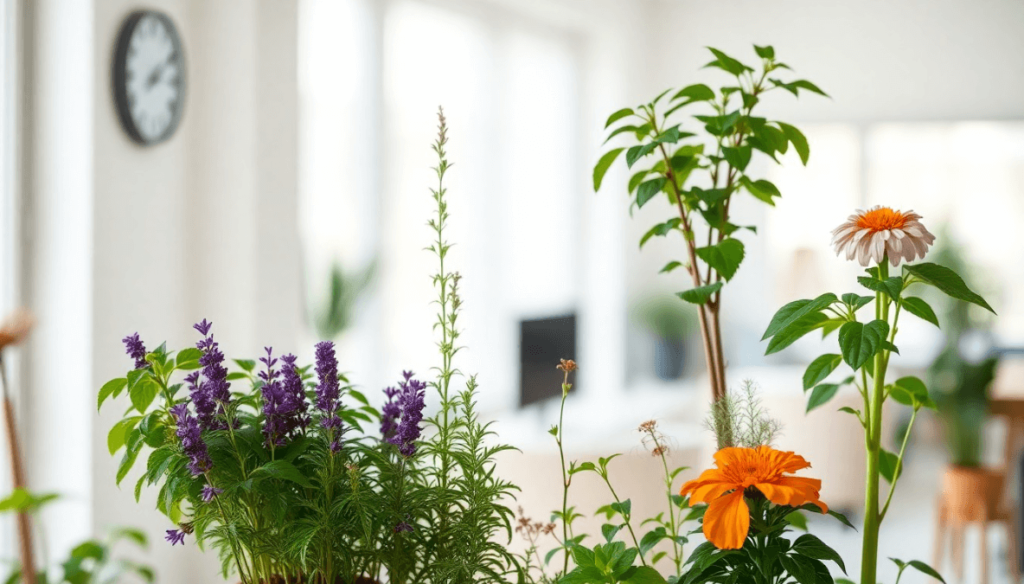
Want to keep bugs at bay naturally? Try combining certain indoor plants.
When mixed strategically, these green allies can enhance each other’s protective properties, creating a natural barrier against pests like moths, flies, ants, and mosquitoes—just like an eco-friendly superhero team for your home!
1. Basil and Mint: A Duo Fit for Your Indoor Garden
Have you ever wondered why our kitchens are always flooded with mouthwatering aromas whenever we prepare our favorite pasta?
It’s all thanks to the magic of fresh basil and mint!
These culinary herbs don’t just work wonders in your tomato sauce, but also release a potent aroma that repels unwanted insect guests such as house flies, mosquitoes, and fruit flies.
Interestingly, they have been used as effective pest control agents since ancient times!
Simply keep these plants in sunny spots in your kitchen, or place them near windows or doorways.
As a bonus tip, when your basil and mint plants start growing taller, pinch off some leaves to make homemade pesto or infused water!
2. Sage and Rosemary: Scaring Away Flies with Herbal Incense
Whip up some herbal magic and create your very own scent repellents with dried sage and rosemary bundles.
These potent plants can keep away bugs and pests like flies, moths, mosquitoes, spiders, and more when burned or stored as sachets in drawers.
So not only do they deter pests, but they also emit a beautiful, comforting fragrance.
3. Citronella Plant and Lemongrass: Powerhouse Bugs Banners
These tropical plants owe their pest-repelling prowess to citronella, an oil found in their stems and leaves.
With their robust citrus scent, citronella plant and lemongrass act as natural bug deterrents, particularly for mosquitoes.
Simply keep them in pots near patios, porches, or even indoors.
Additionally, their leaves can be crushed and rubbed on the skin to serve as a natural insect repellent.
4. Marigolds: Dynamic Bug Banishers

Bold, beautiful, and hardy, marigolds are more than just colorful flowers that make stunning centerpieces.
With their distinctive and potent smell, these vibrant blooms deter many bugs and insects such as flies, gnats, mosquitoes, and midges.
Marigolds are excellent companion plants when grown near vegetable gardens, as they can naturally protect other plants from these pesky critters.
Transform your houseplants into gnat-free zones with effective, natural remedies that banish these pesky intruders for good.
5. Lavender: Nature’s Own Natural Sleep Spray
Widely recognized for its calming effects, the soothing lavender not only promotes relaxation and better sleep but also plays a crucial role in natural bug control.
Its blooms produce a volatile oil that deters various bugs and insects such as flies, moths, beetles, mosquitoes, fleas, and others.
Despite having a sweet and pleasant fragrance for humans, its aroma is considered unappetizing and repulsive to many insect species.
6. Catnip: Feline Friend or Pest Foe?
Surprisingly, this feline favorite also holds immense power against pests like mosquitoes.
With its active compound, nepetalactone, catnip has shown nearly the same level of effectiveness as the chemical-based bug repellent, DEET.
And not just limited to being a mosquito-repelling weapon, it can also be used to deter cockroaches!
You can even simmer some crushed catnip leaves in water to make your homemade bug spray.
Always remember to shake off or rinse off your pets after application.
7. Chrysanthemums: The Powerful Pompom Against Bugs
This elegant and vibrant flower of chrysanthemums possesses the secret ingredient that can deter an army of pests including ants, ticks, lice, fleas, bedbugs, silverfish, and cockroaches from invading your home or garden.
The secret compound found in chrysanthemums is called Pyrethrum, known for its powerful insecticide properties.
8. Carnivorous Plants (Venus Flytrap):
Have you ever seen a leaf snap shut like a camera shutter?
That would be the fascinating Venus Flytrap, well-known for its plant-eating habits, capturing and consuming insects like flies and gnats.
These carnivorous plants use their appealing coloring and scent as bait to lure unsuspecting creatures into their deadly traps.
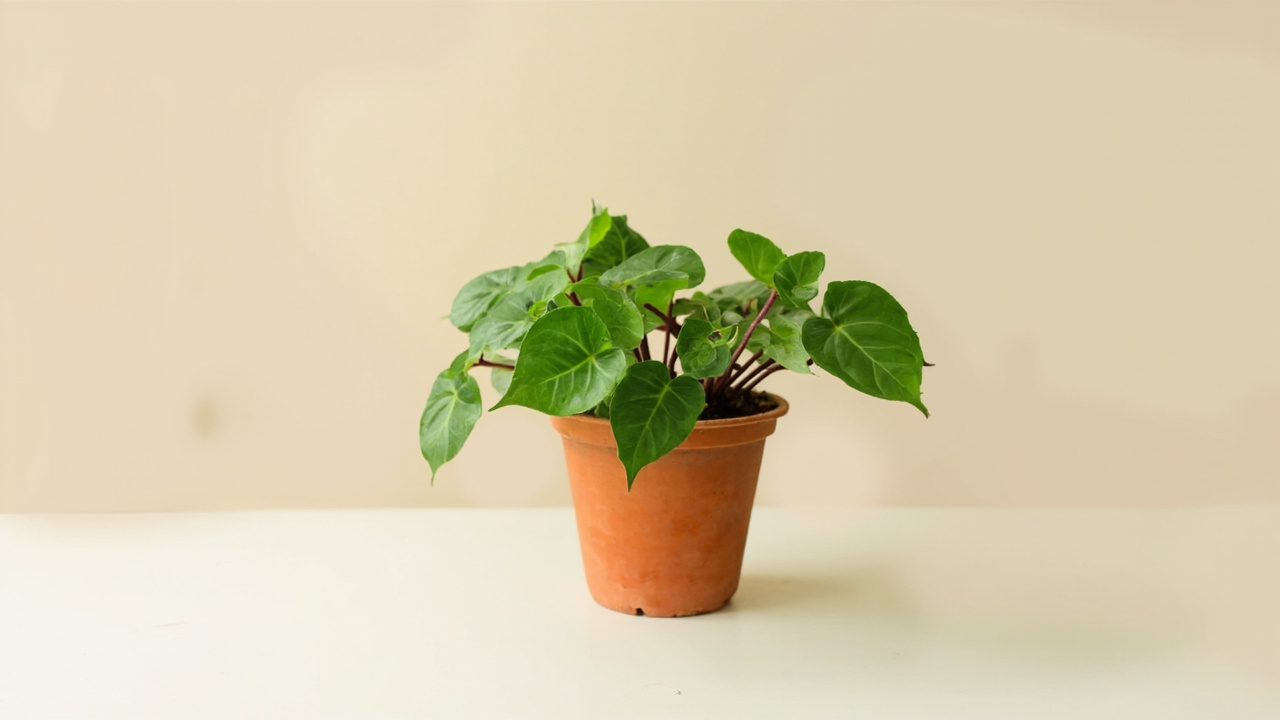
9. Aglaonema: The Indulgent Indoor Plant Who Loves the Shady Spots
Widely recognized for being highly disease-resistant, the Aglaonema is generally avoided by bugs and pests – a definite plus-point for any home-dwelling plant.
Boasting a wide range of color variations, from neon green to deep wine red, this plant’s striking foliage can brighten up virtually any indoor space.
Given its ability to thrive in low light conditions – including artificial light – Aglaonema’s versatility only adds to its charm!
10.Bromeliads: The Tropicana of Indoor Floral World
Being a part of this exotic family of plants involves having over 2000 varieties to select from. Bromeliads are known for being quite hardy and exhibit thick, fleshy leaves that insects despise chewing on – a definite advantage as far as bug control goes.
These low-maintenance plants possess a high resistance to multiple plant diseases, making it an ideal choice for amateur plant enthusiasts.
So, if you’ve been looking for a fun, tropical addition to spruce up your office desk or home decoration, look no further.
11. Coleus Blumei: The Textured Toughie on the Indoor Plant Circuit

Hailing from the Lamiaceae family, Coleus Blumei is particularly known for its colorful leaves that are tough, leathery, and quite unappetizing to most insects out there.
This plant may not be as popularly recognized as some of the other plants on this list, but it certainly fits the bill when it comes to natural bug control, making it a great low-profile option for houseplants.
12. Dracaena: The Mysterious Indoor Greenery
Adorned with long spear-shaped leaves bearing a leathery finish, the Dracaena plant is a natural defense against bugs and pests.
This hardy variety can survive in less-than-ideal home conditions, making it particularly suitable for those who happen to have a black or brown thumb.
13. Jade Plant (Crassula Arborescens):
Adorned with smooth fleshy succulent leaves, the jade plant is a natural bug defense mechanism.
Its leaves boast a toxic and unusually unpleasant-tasting sap that most creatures, including insects and pests, tend to avoid.
Thanks to its low-effort maintenance requirements, a jade plant is indeed a great addition to add to your indoor plant kingdom, making sure to also make your outdoors (i.e., gardens and porches) unfriendly territories for uninvited six-legged visitors.
Indoor Plants Against Insects, Pests, and Bugs
With these plants as natural bug repellents, your home becomes a sanctuary free from unwanted pests and insects.
Embrace this green solution for a healthier, happier home.
Enjoy your pest-free haven while reaping the added benefits of improved air quality and enhanced living space.
So, visit your local nursery and bring home a variety of these green companions!
From Bank Statement to QuickBooks-Ready File
That manual cleanup you just read about? This tool skips it. Turn your PDF into QBO for QuickBooks without storing your data anywhere.
Start Converting