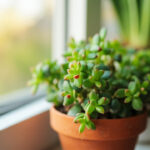
A money tree (Pachira aquatica) is dormant, not dead, if the trunk still feels firm and there are no soft spots at the crown. Dormant branches snap cleanly when bent; dead ones crumble or bend without resistance. The firm trunk test is the simplest diagnostic — squeeze the main stem gently. If it feels solid and green underneath the outer bark, recovery is likely. If it feels hollow, mushy, or collapses under light pressure, the plant tissue has already died from crown rot and cannot be revived.
Money trees die from one of four causes: overwatering that rots the crown, chronic underwatering that desiccates the trunk, cold drafts below 50°F (10°C) that trigger cells to rupture, or progressive nitrogen starvation that starves new growth. Overwatering is the most common — roots suffocate in waterlogged soil within 72 hours, and the rot climbs from the root zone into the trunk base before any leaf symptoms appear. This is why a money tree can look fine one week and be crown-rotted the next.
This guide covers how to identify which type of death your tree is facing, the revival steps that work for each, and the point at which no amount of care will bring it back.
How to Tell If a Money Tree Is Truly Dead
Use three quick checks before assuming the worst. First, bend a small branch or stem no thicker than a pencil. Healthy branches snap cleanly — they are still turgid with moisture. Dead branches bend like cork or snap with a dull crumbly break. Second, check the crown where the trunk meets the soil. Pinch the base with your thumb and forefinger. If it feels soft, mushy, or slightly indented, crown rot has set in — the most common killer because water sits in the crown after overhead watering. Third, scratch the outer bark on the trunk with your fingernail. Green tissue beneath means the vascular system is alive. Brown, dry tissue beneath means that section of trunk has died.
Money trees store water and energy in the thick, braided trunk. This is why a fully leafless tree can still be alive — the trunk is a reservoir, not a symptom. If the trunk is still firm but every leaf has dropped, the cause is usually underwatering or cold damage. Both are recoverable. If the trunk base is soft, the cause is usually crown rot. Recovery depends on how far up the trunk the rot has climbed. Above the graft line on a braided tree, the individual trunks can die while others survive — cut dead braid sections away to prevent spread.
Dormant vs Dead: The Recovery Window
A money tree that has dropped all leaves but has a firm trunk can recover within 4-6 weeks of resuming proper care. New growth emerges from nodes just below the tips of each surviving braid. The key driver is consistent moisture — water when the top 2 inches of soil feel dry, not on a calendar. Watering once a week at 65-75°F (18-24°C) typically keeps the soil in the right range. Below 60°F (15°C), extend to every 10-14 days because transpiration slows dramatically. In 70°F (21°C) with moderate indirect light, a dormant money tree should leaf out within 28 days. After 60 days with zero new growth despite proper care, the root system has likely failed and revival is unlikely.
Cold damage — drafts, air conditioning vents, or windows below 50°F (10°C) — causes cell rupture in Money Tree leaves and stems. Symptoms appear within hours: dark, water-soaked patches on leaves, sudden leaf drop. Because the trunk stores energy, cold-damaged trees recover by pushing new growth from surviving nodes. Unlike root rot (which travels upward from the soil), cold damage affects the canopy first. Prune dead stems back to living tissue (confirmed by the fingernail scratch test) and relocate the plant to a consistently warm spot above 60°F (15°C). Expect visible recovery in 3-5 weeks.
Dying from Overwatering: Crown Rot and Root Failure
Crown rot kills money trees more often than any other cause because the thick, braided trunk traps water at the base after overhead watering. The rot fungus (Phytophthora or Pythium) enters through micro-wounds in the outer tissue and eats inward. Early sign: a soft spot at the base that you can press with a finger. Advanced sign: the entire trunk compresses under gentle pressure and the soil smells sour. Once rot has climbed 2 inches above the soil line, the vascular bundle is severed and water cannot reach the canopy.
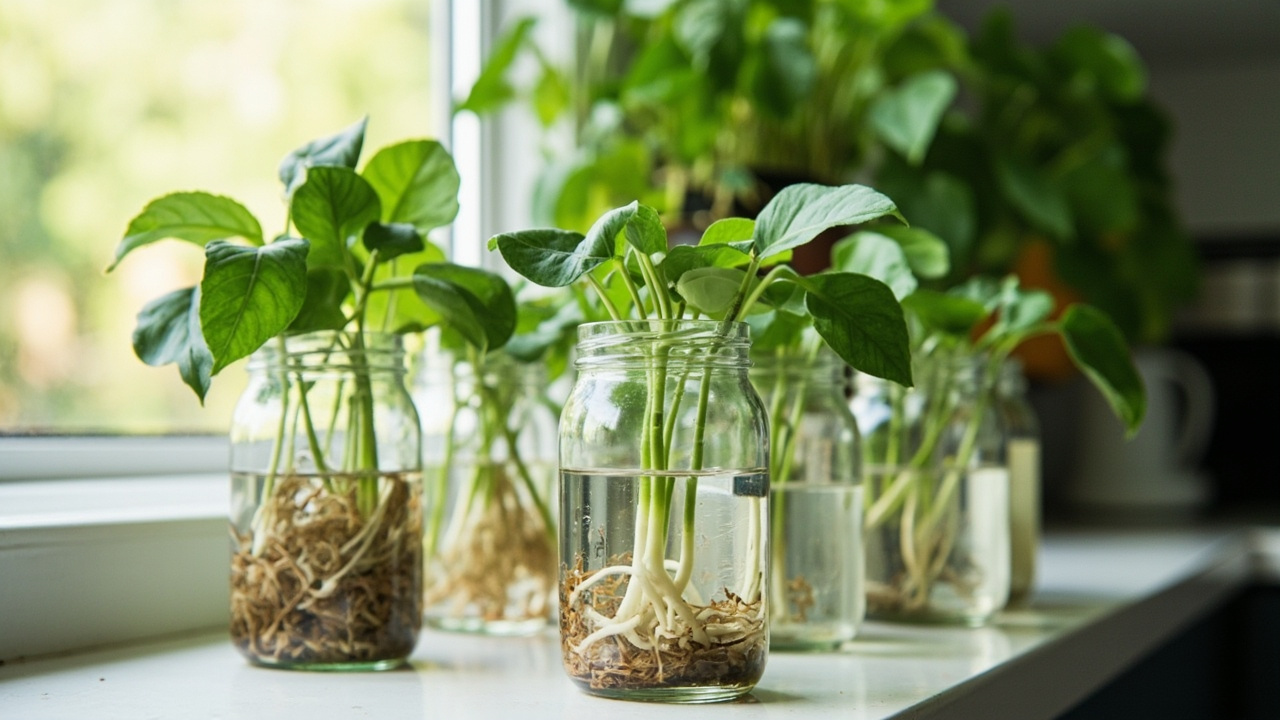
Emergency transplant — Remove the plant from its pot immediately. Wash all soil from the roots. Cut away every soft, brown, or hollow root and trunk section with sterilized pruning shears until only healthy white or cream-colored tissue remains. Dip the remaining root ball in a 1:9 bleach-to-water solution for 10 seconds to kill remaining fungal spores. Repot in a well-draining mix of 30% perlite, 40% orchid bark, and 30% coco coir in a pot with at least two drainage holes. Water once after potting, then wait 10-14 days before watering again — damaged roots cannot absorb normal moisture volumes and will rot further if the soil stays wet. Recovery sign: firm new growth from nodes within 21 days.
Dying from Underwatering: Desiccation and Recovery
Chronic underwatering causes the money tree to shed leaves from the bottom up to conserve water for the crown. In advanced cases, the trunk may feel slightly soft from dehydration rather than rot — the distinction matters because a dehydrated trunk snaps cleanly when bent, while a rotten one compresses without snapping. Recovery after severe desiccation requires slow rehydration: place the entire pot in a tray of water for 30 minutes so the soil absorbs moisture from below, then drain thoroughly. Rehydrating dry soil from below prevents channeling, where water runs down the pot edges without wetting the root ball. After the first deep watering, resume watering when the top 2 inches feel dry. New growth appears within 4-6 weeks if the root system is still viable.
Nitrogen Starvation: Slow Decline vs Fast Recovery
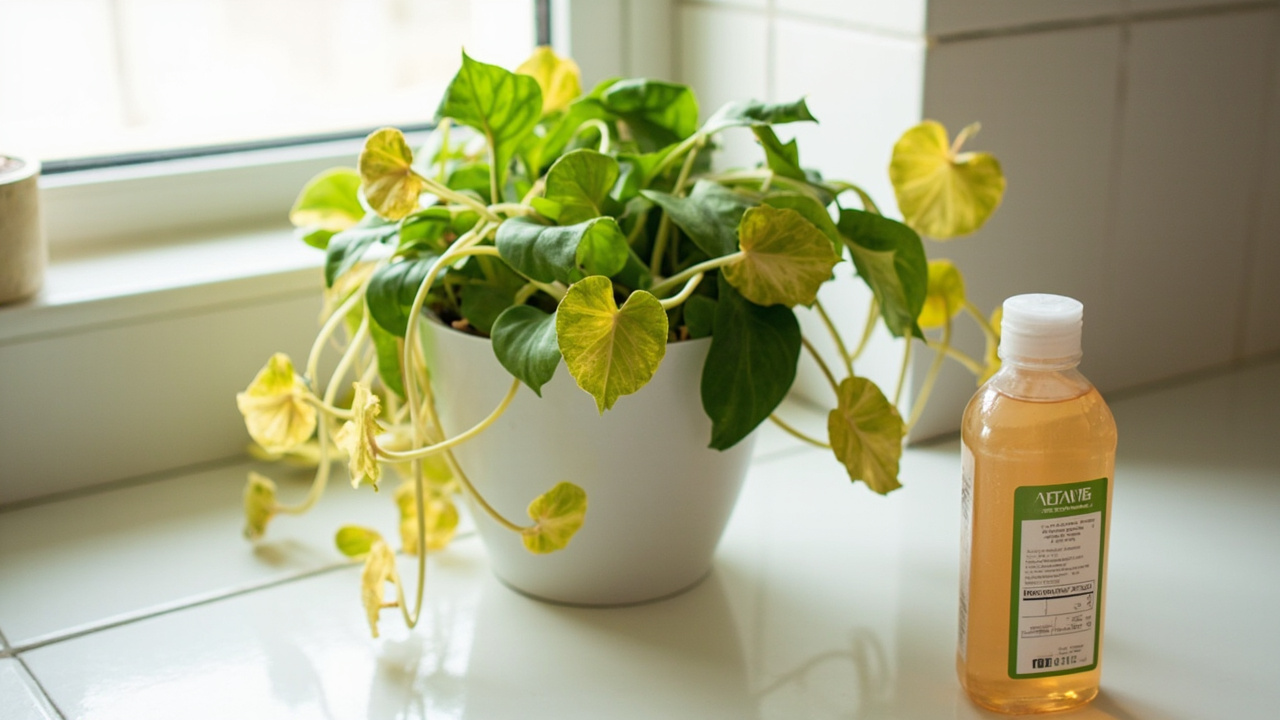
Progressive nitrogen decline turns older leaves pale green, then uniformly yellow, while new growth stays small and stunted. Unlike the sudden leaf drop of cold damage, nitrogen starvation unfolds over weeks. The cause is simple: potting soil exhausts its nitrogen supply within 3-4 months, and without fertilizer, the plant reallocates remaining nitrogen to new growth at the expense of older leaves. Recovery is fastest of all decline types — a single application of balanced liquid fertilizer (10-10-10 or 20-20-20 at half strength) shows visible green-up in older leaves within 10-14 days. Resume monthly fertilizing from March through September at Half strength.
When a Money Tree Cannot Be Revived
Do not attempt revival if the trunk base compresses with zero resistance and the sour soil odor is pronounced — the rot has destroyed the root crown entirely. Above-ground symptoms are indistinguishable from root rot without unpotting the plant. If you remove the plant from the pot and all roots are black or hollow, the tree is dead. If any white or cream-colored roots remain, proceed with the emergency transplant protocol above. The recovery rate for trees with at least 20% healthy roots is roughly 70% when transplanted before rot reaches the upper trunk.
Discard the old soil and sterilize the pot with a 10% bleach solution before reuse — fungal spores survive in dry soil for months and will infect a replacement plant.