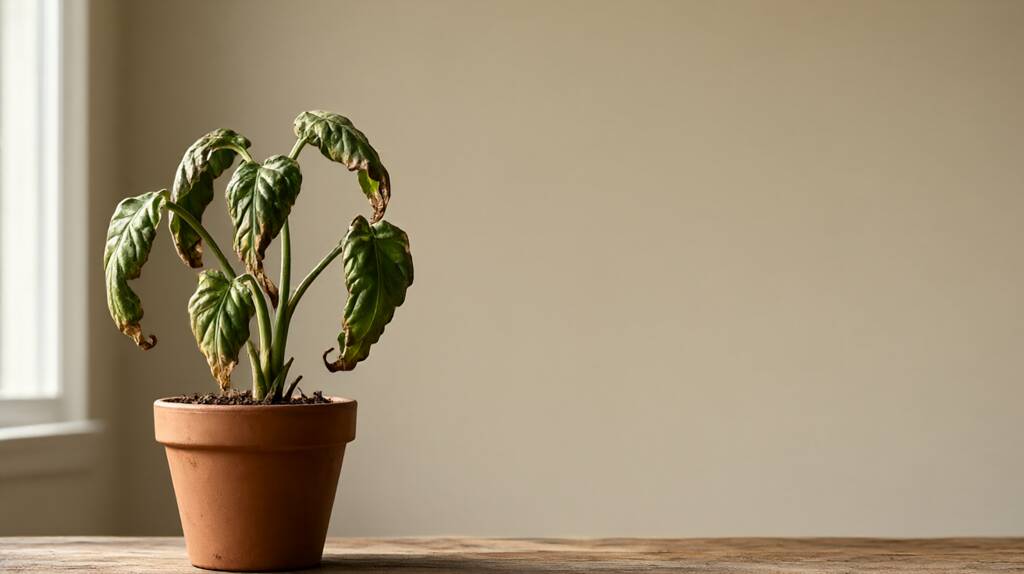

Leaf curling is a plant’s way of reducing its surface area. When a leaf curls, it is trying to conserve moisture, protect itself from excess light, or respond to a temperature extreme. The curl itself is not the problem. It is a symptom of an underlying condition that needs to be identified and fixed.
The most common mistake is treating all leaf curling the same way. Curling from underwatering requires more water. Curling from overwatering requires less. Curling from pests requires treatment. The fix depends on the cause, and the wrong fix accelerates the decline.
What Leaf Curling Is
Leaf curling, also called leaf rolling, is a physical response to stress. The leaf edges or entire leaf roll inward or upward, reducing the surface area exposed to air and light. This reduces water loss through transpiration and can protect the leaf from sunburn or cold.
The curl can be upward, downward, or inward. The direction and pattern of curling provide clues about the cause. Upward curling often indicates underwatering or heat stress. Downward curling often indicates overwatering or pest damage. Inward curling of edges often indicates low humidity or fertilizer burn.
Diagnosis: What Is Causing the Curl?
Work through the possible causes in order of likelihood. The most common causes of leaf curling in houseplants are underwatering, overwatering, pest infestation, temperature stress, and low humidity.
Underwatering causes curling when the plant cannot maintain turgor pressure. The leaves lose water faster than the roots can supply it, and the leaf edges curl upward to reduce surface area. The soil feels dry, and the leaves may also feel thin or papery.
Overwatering causes curling when roots are suffocating in saturated soil. The plant cannot take up water efficiently, and the leaves curl downward as they lose turgor. The soil feels wet, and the leaves may be yellowing as well.
Pests cause curling by damaging leaf tissue. Aphids, thrips, and spider mites feed on sap and cause leaves to curl, distort, and discolor. Check the undersides of leaves for tiny insects, webbing, or sticky residue.
Temperature stress causes curling when the plant is exposed to cold drafts or hot, dry air. Cold causes leaves to curl inward and may cause browning at the edges. Heat causes leaves to curl upward and may cause wilting.
Low humidity causes curling when the air is too dry for the plant’s needs. Tropical plants are especially vulnerable. The leaf edges curl and turn brown, and the plant may also show brown tips.

Watering-Related Curling
Underwatering and overwatering produce different curling patterns. Underwatering causes upward curling, often with crisp, dry leaf edges. The fix is to water thoroughly and establish a consistent schedule. The plant should recover within a few days.
Overwatering causes downward curling, often with yellowing leaves and wet soil. The fix is to let the soil dry, check for root rot, and reduce watering frequency. If root rot is present, repot in fresh dry mix.
The key diagnostic is soil moisture. Feel the soil 2 to 3 centimeters below the surface. If it is dry, the plant needs water. If it is wet, the plant has too much. This single check resolves most watering-related curling.
Pest-Related Curling
Pests cause curling by feeding on sap and damaging leaf tissue. The curling is often accompanied by other symptoms: sticky residue (honeydew), webbing, or visible insects on the undersides of leaves.
Aphids cluster on new growth and cause leaves to curl and distort. Thrips cause silvery streaks and curling. Spider mites cause fine webbing and stippled, curling leaves. Mealybugs cause cottony masses and curling.
The fix is to identify the pest and treat accordingly. Wash the plant with water to remove pests, then apply insecticidal soap or neem oil. Repeat treatment every 7 to 10 days until the infestation is gone.
For pest identification guidance, see houseplant pest identification. For general diagnosis, see plant diagnosis.
Temperature and Humidity Curling
Cold drafts from windows, doors, or air conditioning cause leaves to curl inward and may cause browning at the edges. Move the plant away from the draft source and maintain temperatures above 15 degrees Celsius for most tropical plants.
Hot, dry air from heating vents causes leaves to curl upward and wilt. Move the plant away from the vent or increase humidity with a humidifier or pebble tray.
Low humidity causes leaf edges to curl and turn brown, especially in tropical plants like calathea, ferns, and fittonia. Increase humidity to 50 to 60 percent for most tropicals. Group plants together to create a humid microclimate.
How to Fix Leaf Curling
First, identify the cause using the diagnosis steps above. Check soil moisture, inspect for pests, and assess temperature and humidity.
Second, apply the appropriate fix. Water if underwatered. Let dry if overwatered. Treat pests if present. Move away from drafts or vents if temperature is the issue. Increase humidity if the air is too dry.
Third, be patient. Leaf curling can take days to weeks to resolve, depending on the cause. Damaged leaves may not uncurl fully, but new growth should be normal once conditions are corrected.
Fourth, remove severely damaged leaves. Leaves that are fully curled, brown, and desiccated will not recover. Removing them allows the plant to direct energy to new growth.
For related symptoms, see yellow leaves on plants, brown tips on plant leaves, and how to save a dying plant.
Last reviewed on November 10, 2026
Sources and further reading: The Spruce, leaf curling causes; Gardening Know How, diagnosing leaf curl; Bloomscape, plant leaf curl.